Tag: deedlebay

  • When the Beach Town Belongs to Itself Again

    When the Beach Town Belongs to Itself Again

    There is another version of the coast waiting after everyone else goes home.

    The Quiet Comes First

    The first thing you notice is what you don’t hear.

    There are no beach chairs scraping across the sand. No children calling to one another near the water. No music drifting down from an open balcony or cars moving slowly along the road looking for somewhere to park.

    Just the waves. The wind. Maybe one person walking near the shoreline with nowhere they need to be.

    This is the version of the beach town most people never meet.

    By summer, it will belong to everyone again. Families will carry umbrellas toward the water. Restaurants will fill before sunset. Surf shops will leave their doors open, and the beach bars will stay loud well into the night.

    But for a little while in winter, the town settles back into itself. The sand stretches out untouched. The Gulf keeps moving as if the season never mattered. And the few people who remain seem to understand that the quiet isn’t something missing.

    It’s the reason to be there.
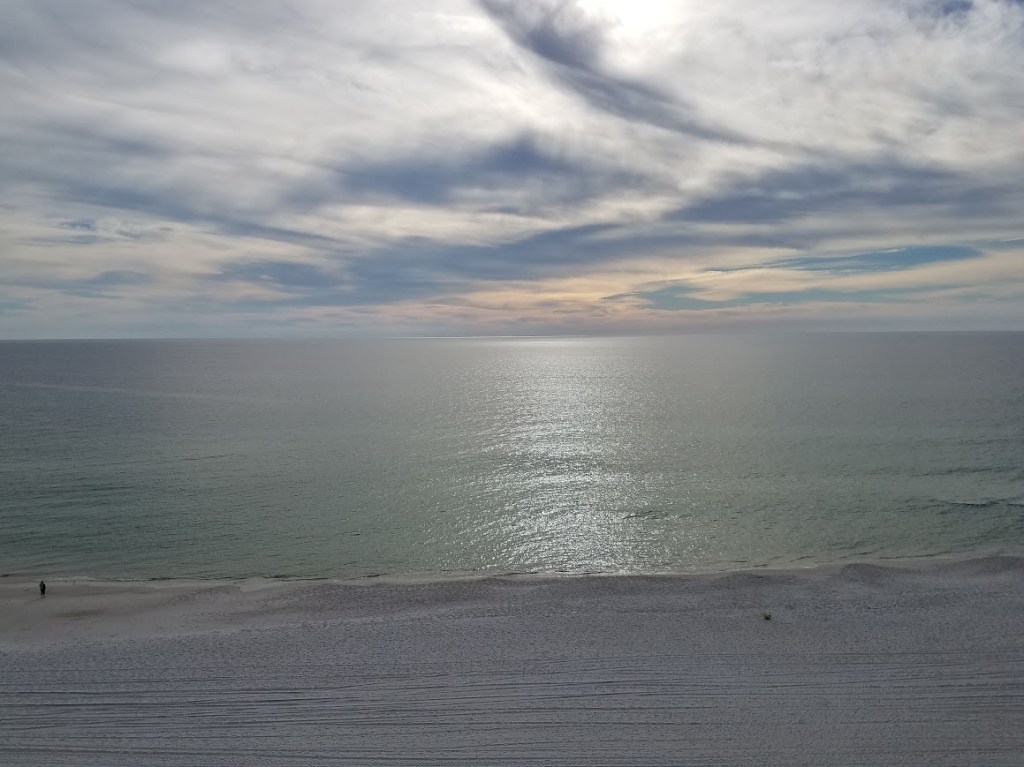
    Empty Panama City Beach shoreline beneath a cloudy winter sky with one person walking near the water

    A Town Without an Audience

    Beach towns spend most of the year getting ready for someone else.

    They straighten the rows of chairs each morning. They fill coolers with ice, stack T-shirts near the front windows, and write the day’s drink specials on chalkboards facing the road. Everything is arranged around the people who are coming.

    Then winter arrives, and almost nobody does.

    The souvenir shops are still there. So are the miniature golf courses, seafood restaurants, and sun-faded signs promising cold drinks just beyond the dunes. But without the traffic and music surrounding them, they feel less like attractions and more like pieces of a town that has finally stopped performing.

    From a balcony above the beach, the Gulf looks much the same as it does in July. The waves still arrive in rows. The morning sky still turns blue. What changes is everything around it.

    There is room to notice the place itself.

    Not the vacation version. Not the one waiting in photographs or advertisements. The real one—the town beneath the season, carrying on quietly until everyone returns.
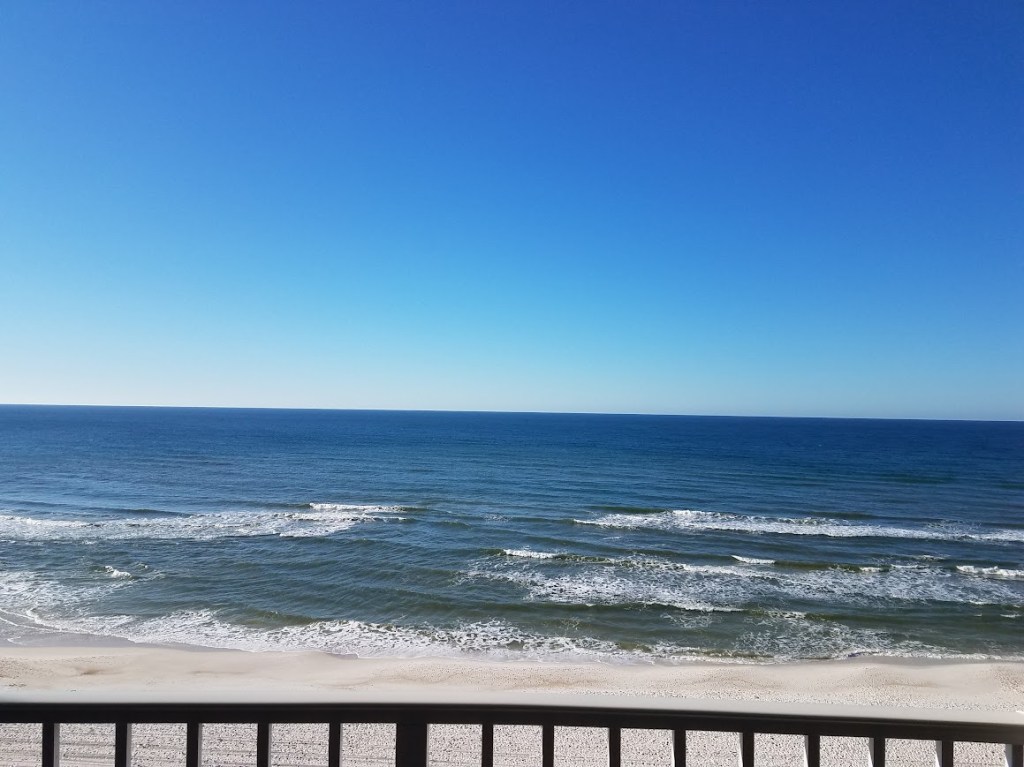
    Quiet Gulf waves and an empty white-sand beach viewed from a balcony in Panama City Beach

    What the Quiet Lets You See

    When a beach is crowded, you notice people.

    You notice the family searching for enough open sand to spread out a blanket. The child running toward the water before anyone can finish applying sunscreen. The group dragging a cooler that looked much lighter back at the condominium.

    When the beach is empty, you notice everything else.

    You see the clean lines left behind by the machine that passed over the sand that morning. You notice how the water changes color beneath the clouds. You watch one set of footprints travel along the shoreline until they become too small to follow.

    Even the sound of the waves feels different when it doesn’t have to compete with anything.

    Savannah offers the same lesson when you finally start looking up: places reveal themselves when you stop moving through them like a checklist. The details were always there. Most of the time, we were simply moving too quickly to see them.

    That may be what the offseason gives back to a beach town. Not emptiness, exactly.

    Attention.
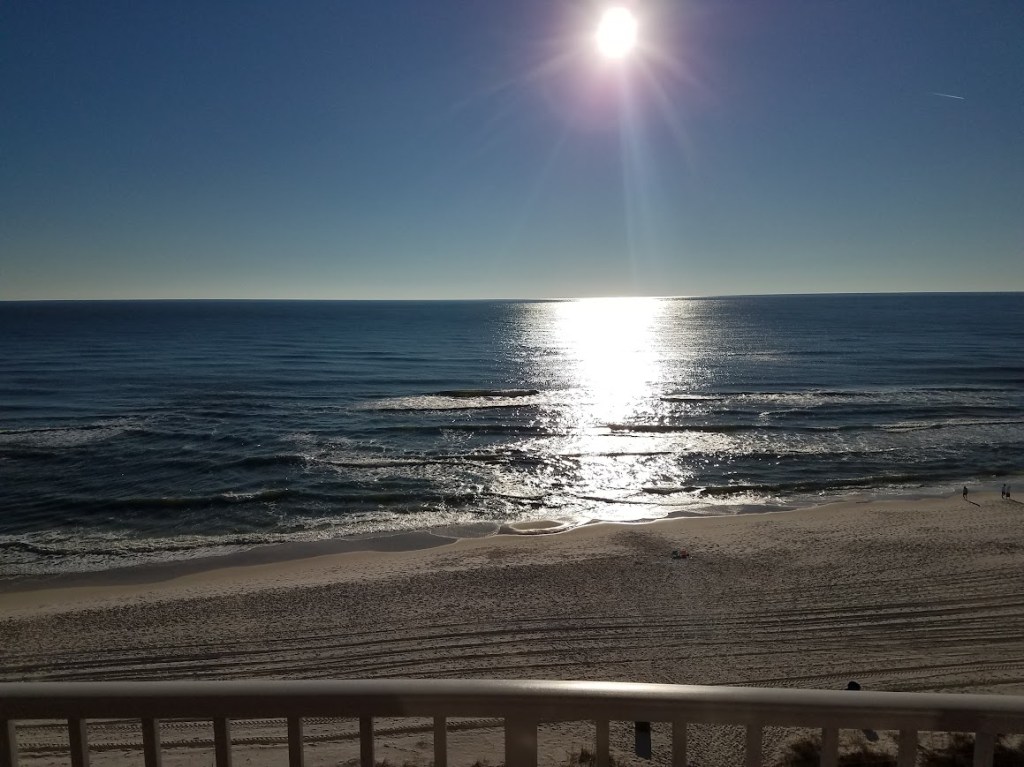
    Winter sunlight reflecting across the Gulf beside a freshly groomed beach

    The People Who Stay

    Of course, the town isn’t truly empty.

    People still wake up and go to work. Someone unlocks the restaurant that won’t need every table tonight. Someone walks the beach before beginning the rest of the day. Fishing boats leave whether tourists are watching or not.

    For the people who live there, winter isn’t an interruption. It may be the closest the town comes to an ordinary life.

    There are familiar faces at the counter again. Parking spaces near the door. Conversations that don’t have to compete with a crowded room. The people behind the bar have time to finish a story before someone needs another drink.

    Maybe that’s when a beach town feels most like a town.

    Not when every room is occupied and every neon sign is glowing, but when the people who remain begin recognizing one another again. When the place belongs less to an industry and more to the lives being lived inside it.

    Summer shows you what a beach town does.

    Winter shows you who it is.
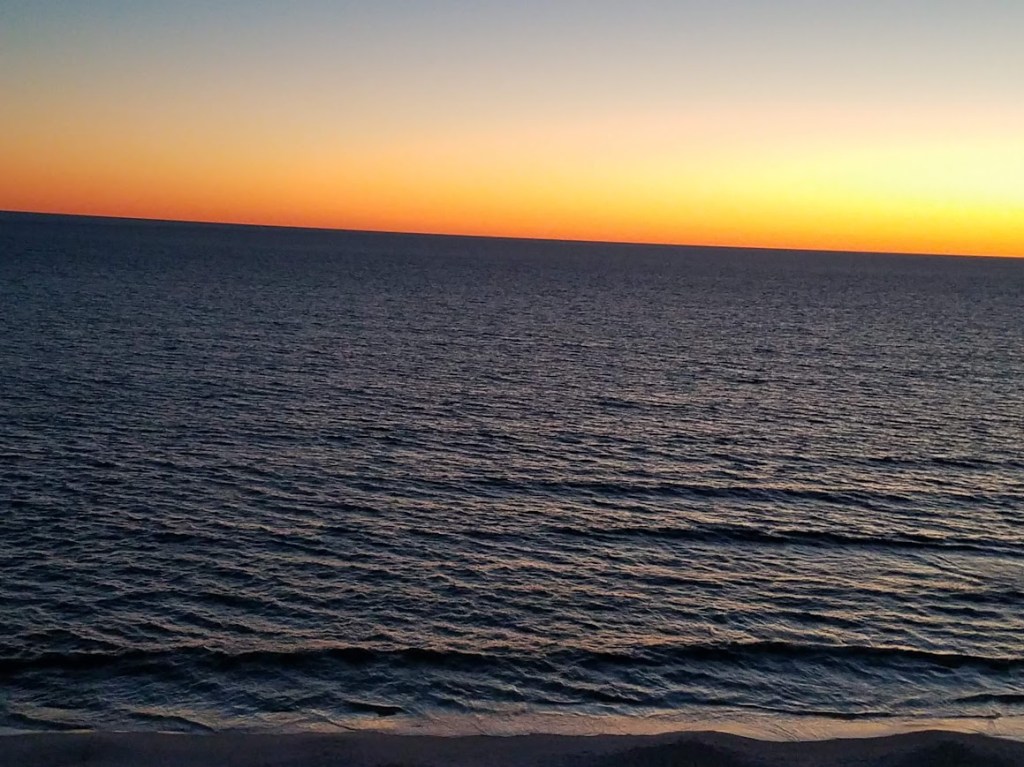
    Orange winter sunset fading over the dark Gulf of Mexico

    The Beach We Carry Home

    Most beach vacations are remembered in pieces.

    A restaurant where everyone was sunburned and hungry. Sand in the floorboards of the car. Towels hanging from every available chair. The long walk back from the water carrying twice as much as you brought.

    Those memories matter. They become family stories, even when nothing especially important happened.

    But the quieter trips stay with us differently.

    You remember standing at the window before anyone else was awake. You remember the beach without footprints. The color of the sky just before the sun disappeared. A single person walking near the water with the whole shoreline available to them.

    There was no event to preserve. Nothing happened that needed to be photographed or retold.

    And yet, years later, that may be the moment you can still see most clearly.

    Maybe the places that remain with us always exist somewhere between where we traveled and what we carried home. Time removes the crowds and noise. What survives is usually something smaller.

    The light. The water. The feeling that, for a few minutes, there was nowhere else you needed to be.

    When It Belongs to Itself Again

    By spring, the town will begin waking up.

    Balconies will fill. Restaurants will reopen every section. Surf shops will roll racks of shirts onto the sidewalk, and the first warm weekends will bring traffic back to the road.

    That version of the beach town has its own kind of joy. It is loud, familiar, and full of the memories people came there to make.

    But the quieter version deserves to be remembered too.

    The one beneath a January sky. The one with empty sand and plenty of room at the counter. The one that doesn’t ask you to do anything except stand still and listen to the water.

    For a little while, the beach town belongs to itself again.

    And if you arrive at the right time, it may let you belong there too.
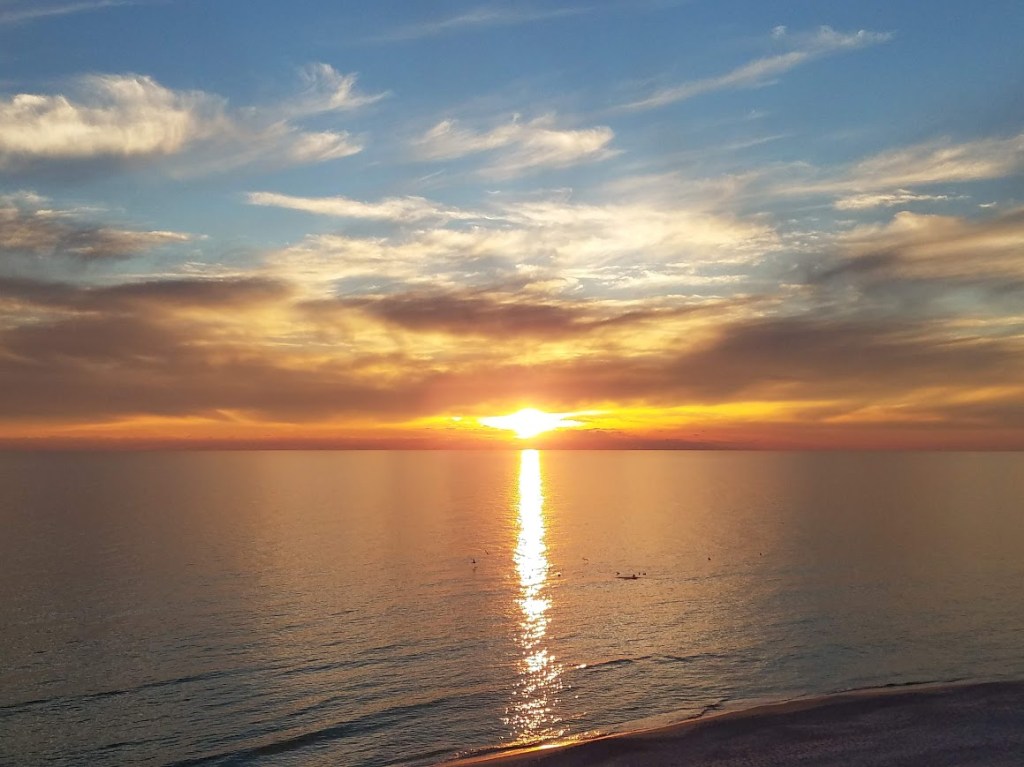
    Golden sunset reflecting across the calm Gulf waters at Panama City Beach

  • The Best Southern Road Trips Aren’t On The Interstate

    The Best Southern Road Trips Aren’t On The Interstate

    The Interstate Gets You There. The Backroads Let You Experience It

    There’s nothing wrong with the interstate. Sometimes you need to make good time, cover a lot of miles, and get where you’re going. But somewhere along the way, travel became more about arriving than experiencing.

    The problem with the interstate isn’t that it’s fast. The problem is that after a while, it all starts to look the same.

    The exits blur together. The same gas stations appear every few miles. The same chain restaurants line the highway. At seventy-five miles per hour, you’re moving too quickly to notice much of anything beyond the next exit sign.

    Backroads are different.

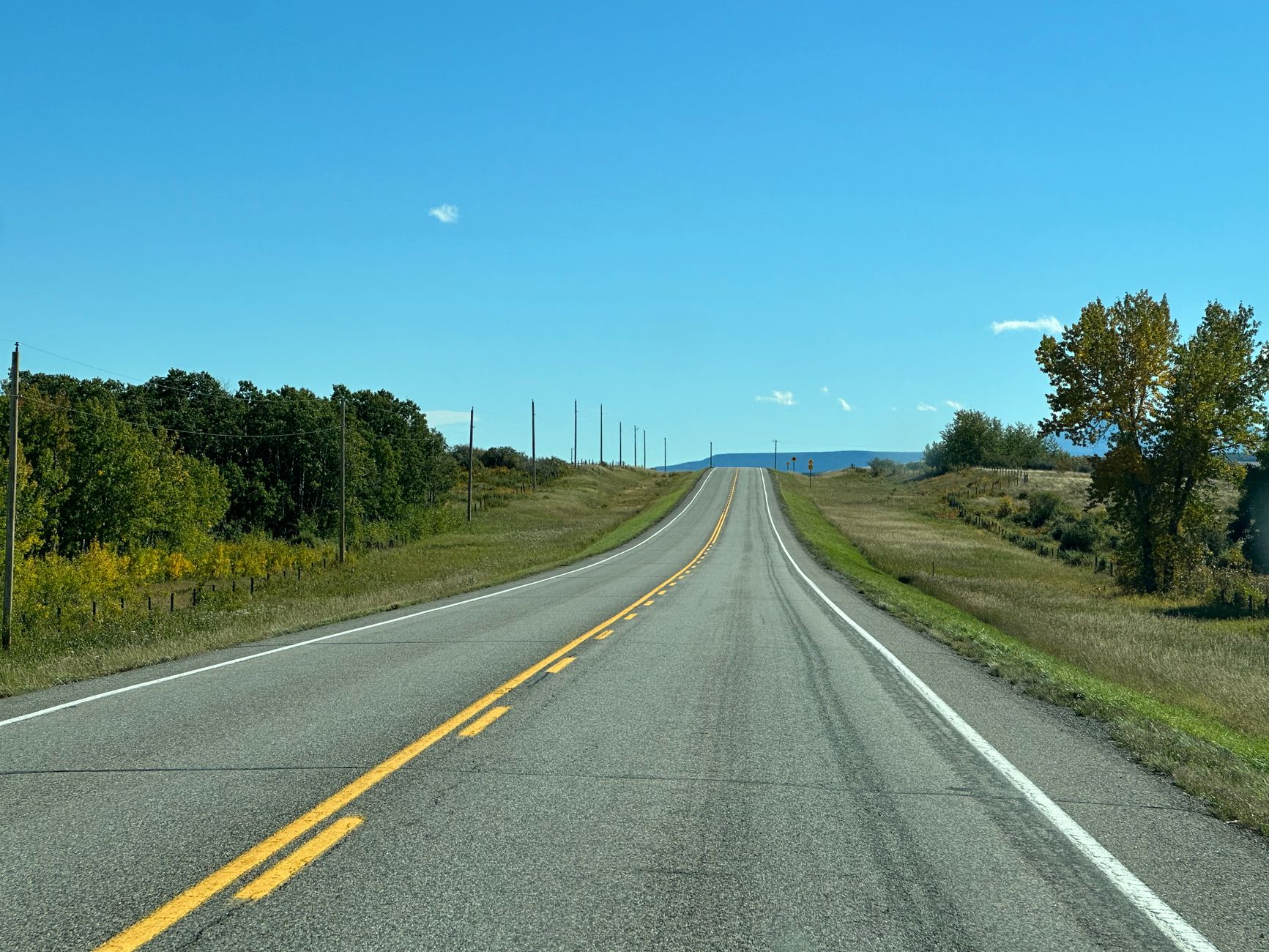
    A two-lane road through the South has a way of slowing everything down. The pace changes. The scenery changes. Instead of racing toward a destination, you find yourself paying attention to the journey. You notice the rolling fields, the tree lines, the old barns standing quietly in the distance. You see the small towns that don’t appear on most travel guides and the roads that seem to lead nowhere in particular.

    Some of my favorite Southern towns weren’t places I planned to visit. They were places I found because I took a road that wasn’t the fastest way there.

    That’s the thing about backroads. They leave room for discovery.

    The interstate gets you there faster. The backroads remind you why you wanted to go in the first place.

    The Best Discoveries Are Rarely Planned

    One of the best things about taking the backroads is that you never quite know what you’re going to find.

    The interstate is efficient. It was designed to move people from one place to another as quickly as possible. But the roads that connect small towns were built long before efficiency became the goal. They wander through places that most travelers never see.

    That’s where the surprises live.

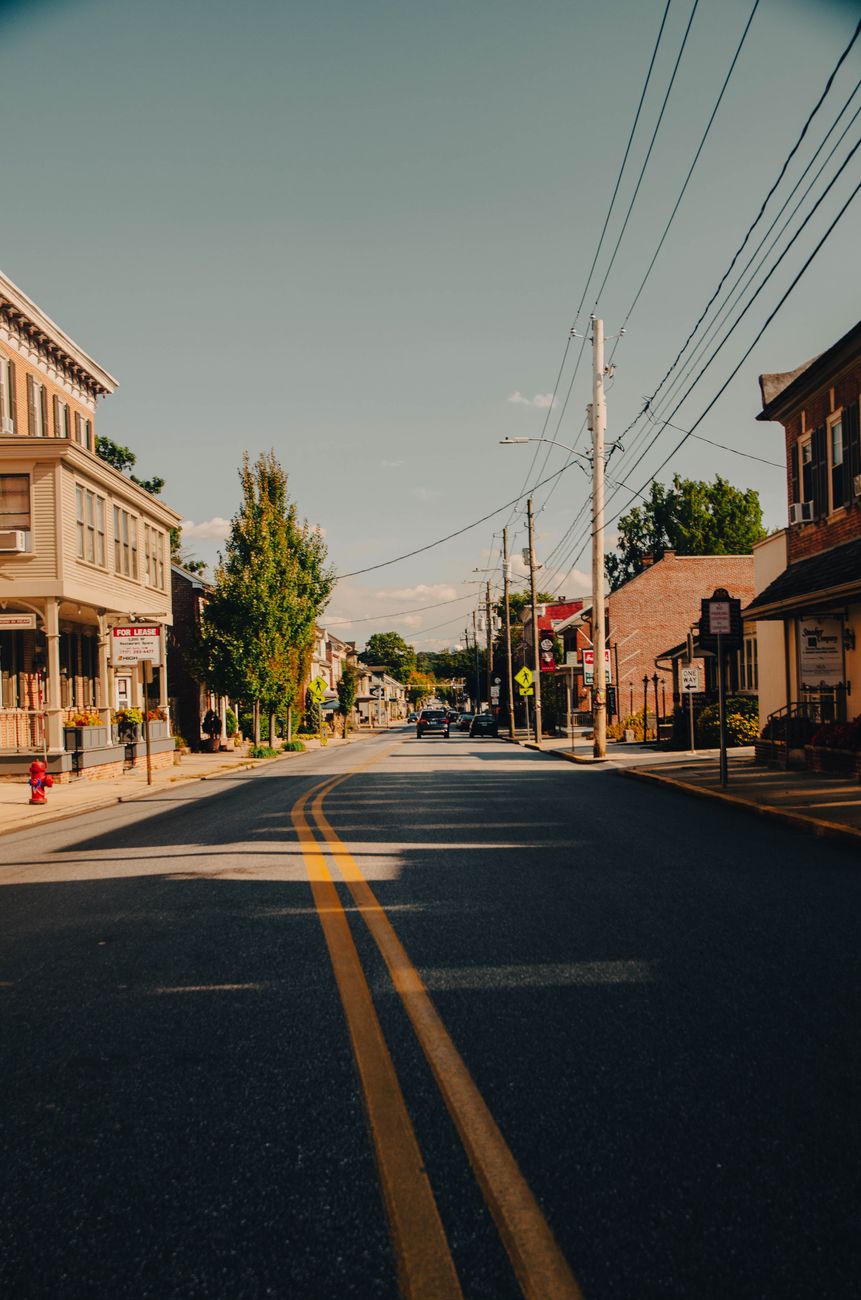
    A small town tucked a few miles off the highway. An old downtown square that still looks much the way it did decades ago. A roadside barbecue joint with a hand-painted sign and a parking lot full of pickup trucks. A produce stand selling peaches, tomatoes, or sweet corn under a simple canopy beside the road.

    None of those places were likely part of the original plan.

    That’s what makes them memorable.

    Some of the places I remember most from road trips aren’t famous landmarks or major attractions. They’re the unexpected stops that happened because there wasn’t a schedule to keep or a timer counting down the miles. They were places discovered simply because there was time to pull over and take a look.

    Modern travel encourages us to optimize everything. The fastest route. The shortest drive. The quickest arrival time.

    But some experiences can’t be optimized.

    Sometimes the best part of a trip is the thing you never knew was there until you decided to take the long way.

    Photo by Nathaniel B. Gerhart on Pexels.com

    The Things You Notice at 45 Miles Per Hour

    Maybe the biggest difference between the interstate and a backroad isn’t where they take you. It’s what they allow you to see.

    At interstate speeds, the landscape becomes background noise. Your focus shifts to traffic, exits, and the miles remaining until you arrive. The scenery flashes by too quickly to absorb.

    Backroads operate at a different pace.

    At forty-five miles per hour, you start noticing things again.

    You notice the way the morning light settles across a field. You notice rivers winding through the trees and stretches of farmland that seem untouched by time. You notice weathered barns, gravel driveways disappearing into the woods, and church steeples rising above small towns.

    You notice the landscape.

    The South has always been as much about its scenery as its destinations. Pine forests, rolling hills, farmland, coastal marshes, and winding country roads all tell part of the story. Those details are easy to miss when you’re focused on getting somewhere.

    And then there are the places that make you tap the brakes.

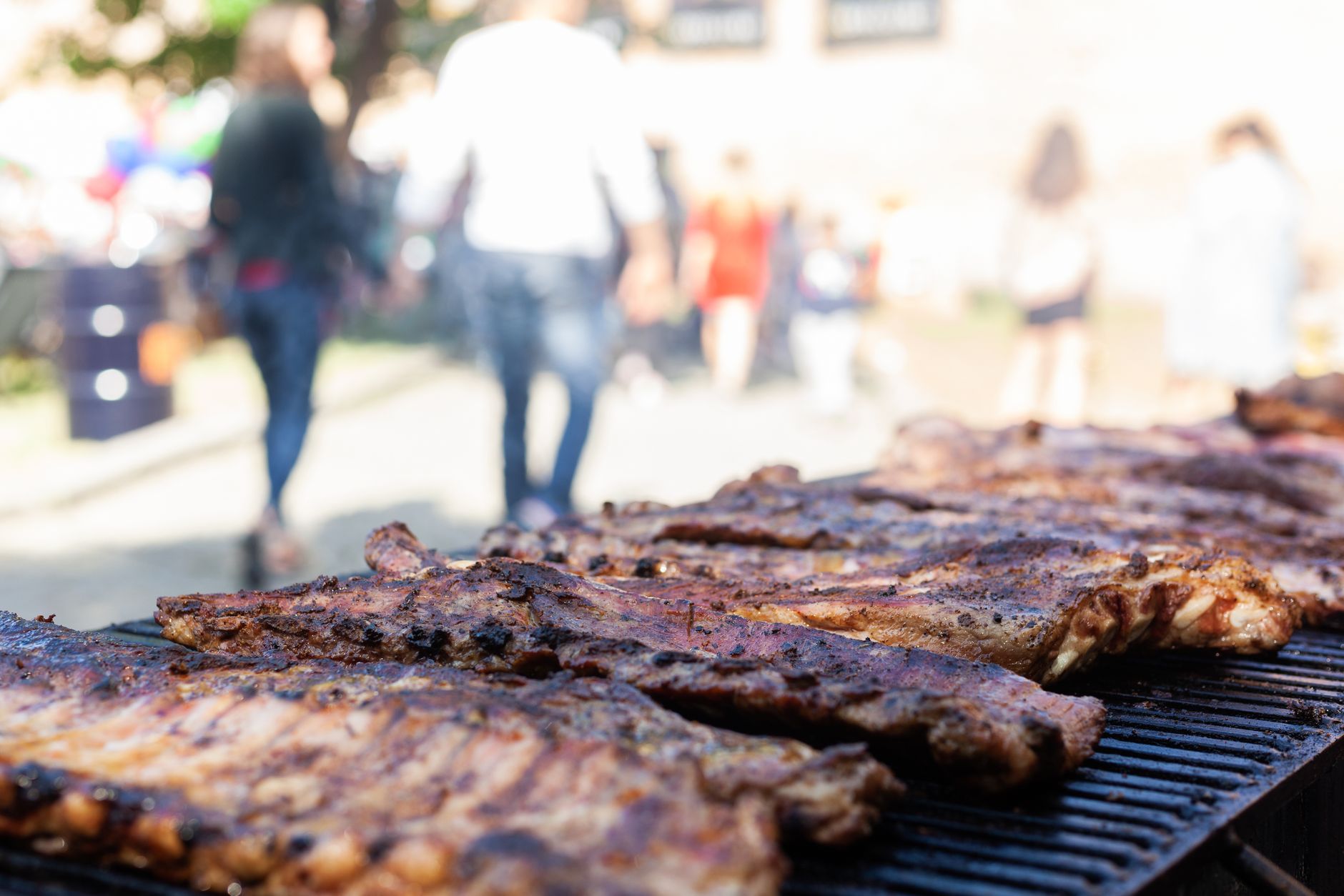
    A roadside barbecue joint with smoke drifting from behind the building. A produce stand stacked with fresh peaches, tomatoes, or watermelons. The kind of place that doesn’t need a marketing campaign because the locals already know it’s there.

    Those are the places that stick with you.

    Years later, you may not remember exactly how many miles you drove that day. But you’ll remember the smell of wood smoke from a barbecue pit. You’ll remember the produce stand on the side of the road. You’ll remember the feeling of seeing something unexpected and having enough time to stop.

    Those moments don’t happen because you’re in a hurry.

    They happen because you’re paying attention—and because every place has its stories.

    Photo by Julia Filirovska on Pexels.com

    Road Trips Used to Feel Different

    Maybe it’s nostalgia talking, but road trips used to feel a little more like an adventure.

    Before GPS became part of everyday life, there was always a map somewhere in the car. Folded in the glove compartment, spread across someone’s lap, or opened at a gas station while trying to figure out the next turn. Nobody had a screen constantly telling them exactly where to go. Sometimes you missed a turn. Sometimes you took the wrong road. Occasionally you found something interesting because of it.

    There was a certain freedom in not knowing every detail of the trip before it started.

    I remember everyone piled into the car. Luggage packed tight. Miles of highway stretching ahead. The soundtrack was just as important as the destination. Whether it was Lynyrd Skynyrd, the Allman Brothers, or whatever happened to be playing on the radio, the music became part of the memory.

    Years later, I can remember the songs more clearly than some of the places.

    Maybe that’s because road trips weren’t only about where you were going. They were about who you were with and what happened along the way. The conversations, the roadside stops, the wrong turns, and the moments spent simply watching the world pass by outside the window.

    Today’s technology makes travel easier. There’s no question about that. We can find directions instantly, locate restaurants with a few taps, and know exactly how long it will take to reach our destination.

    But convenience comes with a tradeoff.

    When every moment is planned and every route is optimized, there’s less room for surprise. Less room for wandering. Less room for the kinds of memories that happen when you’re somewhere between here and there. Less room for the kinds of memories that happen when you’re not quite sure what’s around the next bend in the road.

    The best road trips still leave space for that feeling.

    Photo by Kurt Hudspeth on Pexels.com

    Why the Journey Still Matters

    Modern life encourages us to move faster.

    We look for the quickest route, the shortest wait, and the most efficient way to get from one thing to the next. Every app on our phones seems designed to save us a few minutes. Every schedule feels a little fuller than the one before it.

    Somewhere along the way, we started treating travel the same way.

    The goal became arriving.

    But some of life’s best moments don’t happen when we arrive. They happen while we’re on the way.

    A road trip isn’t really about checking a destination off a list. It’s about the conversations that happen in the car. The song that comes on at exactly the right moment. The small town you didn’t expect to find. The roadside barbecue joint that turns into lunch. The produce stand where you stop simply because it looked interesting.

    Those are the memories that last.

    Years from now, most of us won’t remember how quickly we reached our destination. We won’t remember whether we saved twenty minutes by staying on the interstate. What we’ll remember are the moments that made us feel something.

    The warm breeze through an open window.

    The blue sky stretching overhead.

    The landscape rolling by one mile at a time.

    The feeling that, for a little while, there was nowhere else we needed to be.

    That’s why the journey still matters.

    Not because it’s the fastest way to travel.

    But because it’s often the most meaningful.

    Photo by Satvinder Ghotra on Pexels.com

    Conclusion

    The best Southern road trips aren’t found on a map.

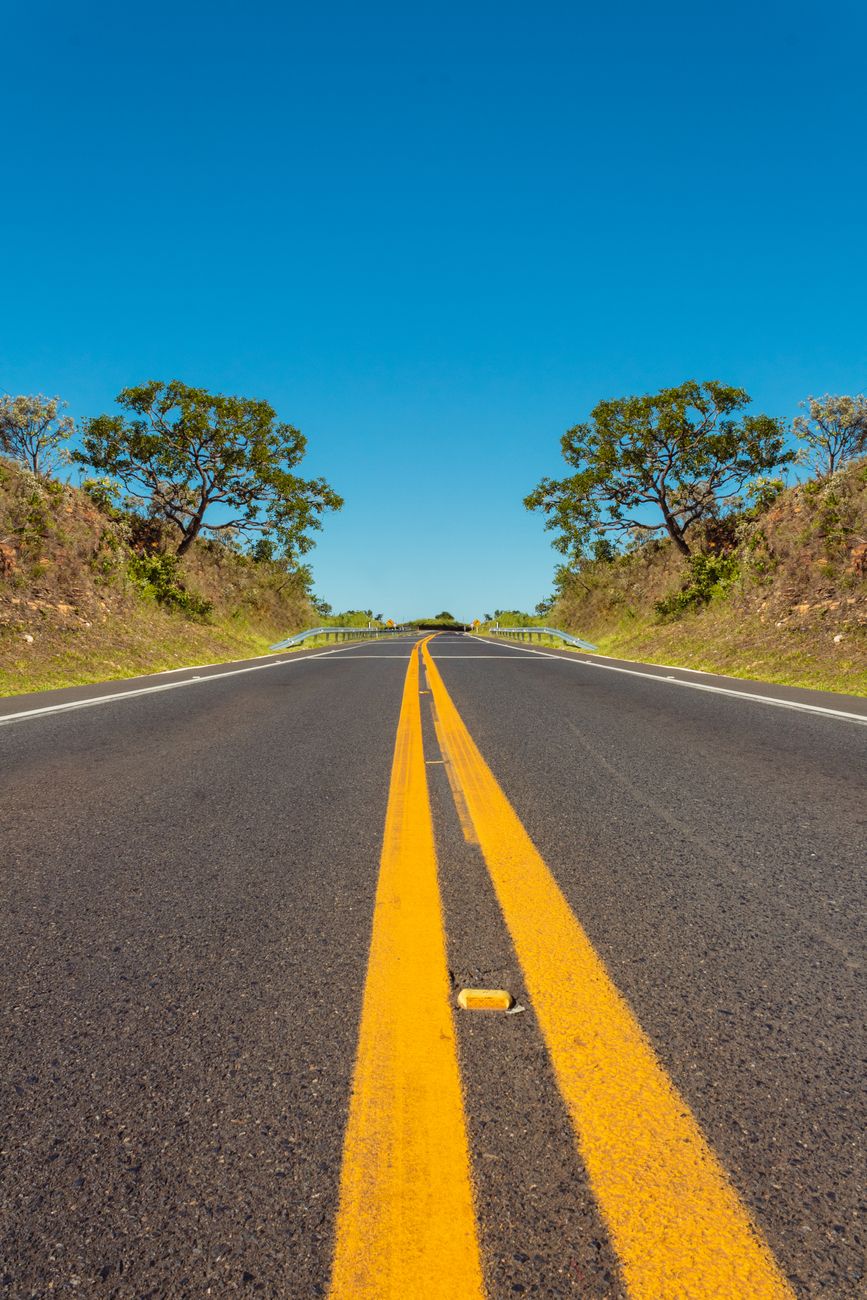
    They’re found in the moments between destinations. A two-lane road stretching toward the horizon. A small town that wasn’t part of the plan. A roadside barbecue joint with smoke drifting into the afternoon air. A produce stand on the edge of town. A favorite song playing through the speakers while the miles roll by beneath a wide blue sky.

    Maybe that’s why so many of us remember the journey long after we’ve forgotten the details of where we were going.

    The interstate will always have its place. Sometimes life demands the quickest route. But every now and then, it’s worth taking the long way.

    Roll the windows down.

    Leave a little extra time in the schedule.

    Put the phone away for a while.

    Look out the window. Listen to the music. Notice the landscape. Stop when something catches your eye.

    Absorb the whole thing.

    Because the best Southern road trips aren’t really about getting somewhere.

    They’re about remembering how it feels to be on the road in the first place.