Tag: road trips

  • The Best Southern Road Trips Aren’t On The Interstate

    The Best Southern Road Trips Aren’t On The Interstate

    The Interstate Gets You There. The Backroads Let You Experience It

    There’s nothing wrong with the interstate. Sometimes you need to make good time, cover a lot of miles, and get where you’re going. But somewhere along the way, travel became more about arriving than experiencing.

    The problem with the interstate isn’t that it’s fast. The problem is that after a while, it all starts to look the same.

    The exits blur together. The same gas stations appear every few miles. The same chain restaurants line the highway. At seventy-five miles per hour, you’re moving too quickly to notice much of anything beyond the next exit sign.

    Backroads are different.

    A two-lane road through the South has a way of slowing everything down. The pace changes. The scenery changes. Instead of racing toward a destination, you find yourself paying attention to the journey. You notice the rolling fields, the tree lines, the old barns standing quietly in the distance. You see the small towns that don’t appear on most travel guides and the roads that seem to lead nowhere in particular.

    Some of my favorite Southern towns weren’t places I planned to visit. They were places I found because I took a road that wasn’t the fastest way there.

    That’s the thing about backroads. They leave room for discovery.

    The interstate gets you there faster. The backroads remind you why you wanted to go in the first place.

    The Best Discoveries Are Rarely Planned

    One of the best things about taking the backroads is that you never quite know what you’re going to find.

    The interstate is efficient. It was designed to move people from one place to another as quickly as possible. But the roads that connect small towns were built long before efficiency became the goal. They wander through places that most travelers never see.

    That’s where the surprises live.

    A small town tucked a few miles off the highway. An old downtown square that still looks much the way it did decades ago. A roadside barbecue joint with a hand-painted sign and a parking lot full of pickup trucks. A produce stand selling peaches, tomatoes, or sweet corn under a simple canopy beside the road.

    None of those places were likely part of the original plan.

    That’s what makes them memorable.

    Some of the places I remember most from road trips aren’t famous landmarks or major attractions. They’re the unexpected stops that happened because there wasn’t a schedule to keep or a timer counting down the miles. They were places discovered simply because there was time to pull over and take a look.

    Modern travel encourages us to optimize everything. The fastest route. The shortest drive. The quickest arrival time.

    But some experiences can’t be optimized.

    Sometimes the best part of a trip is the thing you never knew was there until you decided to take the long way.
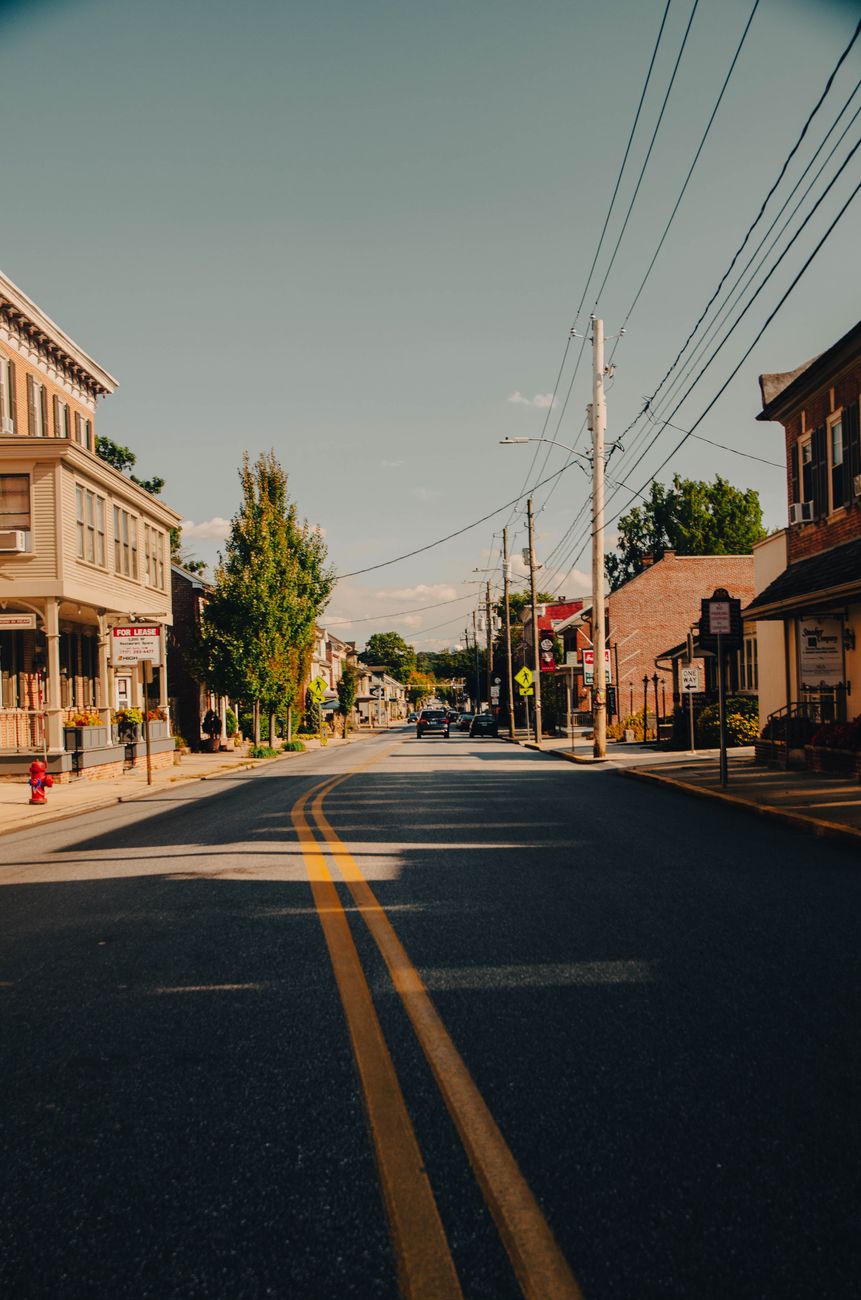
    Photo by Nathaniel B. Gerhart on Pexels.com

    The Things You Notice at 45 Miles Per Hour

    Maybe the biggest difference between the interstate and a backroad isn’t where they take you. It’s what they allow you to see.

    At interstate speeds, the landscape becomes background noise. Your focus shifts to traffic, exits, and the miles remaining until you arrive. The scenery flashes by too quickly to absorb.

    Backroads operate at a different pace.

    At forty-five miles per hour, you start noticing things again.

    You notice the way the morning light settles across a field. You notice rivers winding through the trees and stretches of farmland that seem untouched by time. You notice weathered barns, gravel driveways disappearing into the woods, and church steeples rising above small towns.

    You notice the landscape.

    The South has always been as much about its scenery as its destinations. Pine forests, rolling hills, farmland, coastal marshes, and winding country roads all tell part of the story. Those details are easy to miss when you’re focused on getting somewhere.

    And then there are the places that make you tap the brakes.

    A roadside barbecue joint with smoke drifting from behind the building. A produce stand stacked with fresh peaches, tomatoes, or watermelons. The kind of place that doesn’t need a marketing campaign because the locals already know it’s there.

    Those are the places that stick with you.

    Years later, you may not remember exactly how many miles you drove that day. But you’ll remember the smell of wood smoke from a barbecue pit. You’ll remember the produce stand on the side of the road. You’ll remember the feeling of seeing something unexpected and having enough time to stop.

    Those moments don’t happen because you’re in a hurry.

    They happen because you’re paying attention—and because every place has its stories.
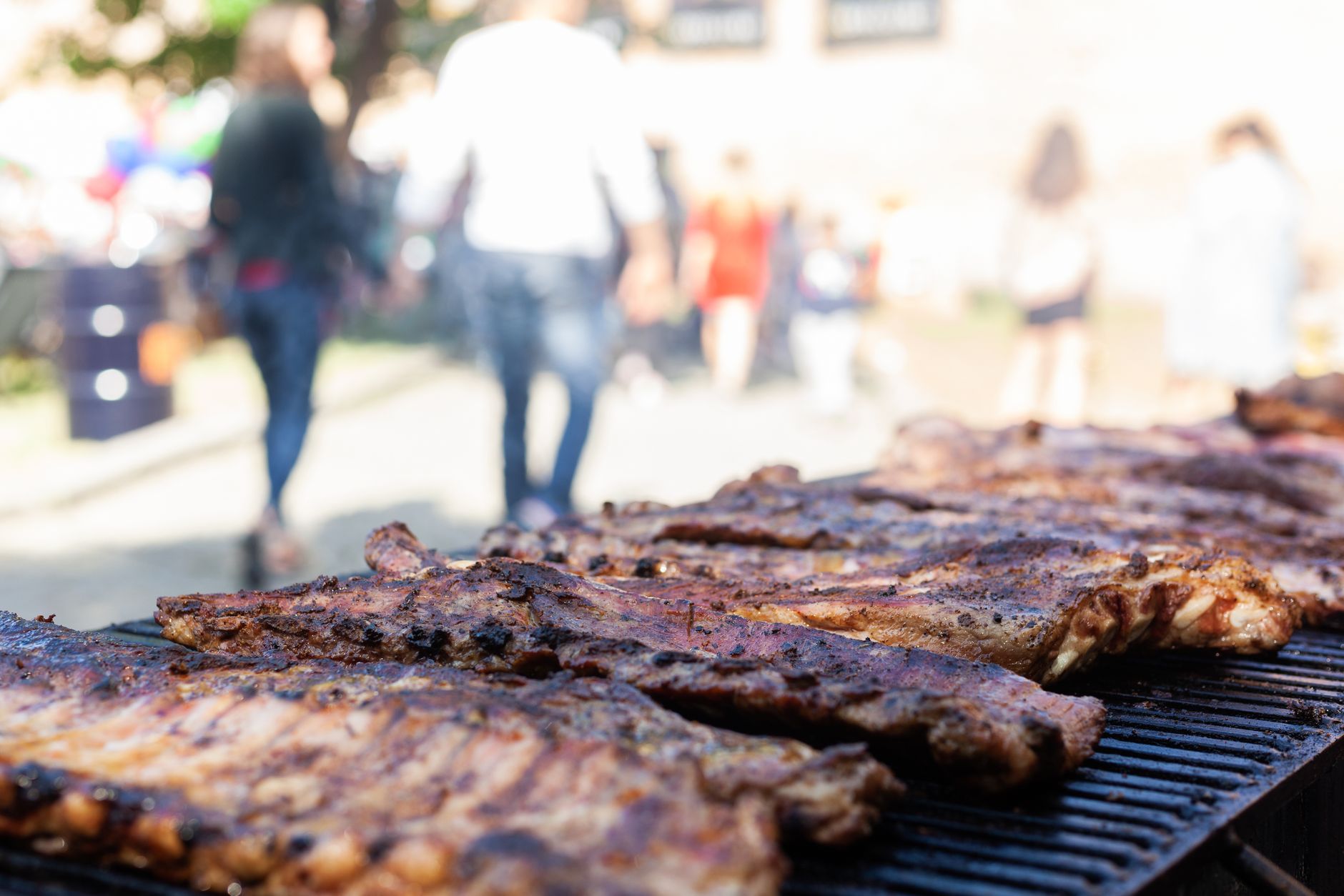
    Photo by Julia Filirovska on Pexels.com

    Road Trips Used to Feel Different

    Maybe it’s nostalgia talking, but road trips used to feel a little more like an adventure.

    Before GPS became part of everyday life, there was always a map somewhere in the car. Folded in the glove compartment, spread across someone’s lap, or opened at a gas station while trying to figure out the next turn. Nobody had a screen constantly telling them exactly where to go. Sometimes you missed a turn. Sometimes you took the wrong road. Occasionally you found something interesting because of it.

    There was a certain freedom in not knowing every detail of the trip before it started.

    I remember everyone piled into the car. Luggage packed tight. Miles of highway stretching ahead. The soundtrack was just as important as the destination. Whether it was Lynyrd Skynyrd, the Allman Brothers, or whatever happened to be playing on the radio, the music became part of the memory.

    Years later, I can remember the songs more clearly than some of the places.

    Maybe that’s because road trips weren’t only about where you were going. They were about who you were with and what happened along the way. The conversations, the roadside stops, the wrong turns, and the moments spent simply watching the world pass by outside the window.

    Today’s technology makes travel easier. There’s no question about that. We can find directions instantly, locate restaurants with a few taps, and know exactly how long it will take to reach our destination.

    But convenience comes with a tradeoff.

    When every moment is planned and every route is optimized, there’s less room for surprise. Less room for wandering. Less room for the kinds of memories that happen when you’re somewhere between here and there. Less room for the kinds of memories that happen when you’re not quite sure what’s around the next bend in the road.

    The best road trips still leave space for that feeling.
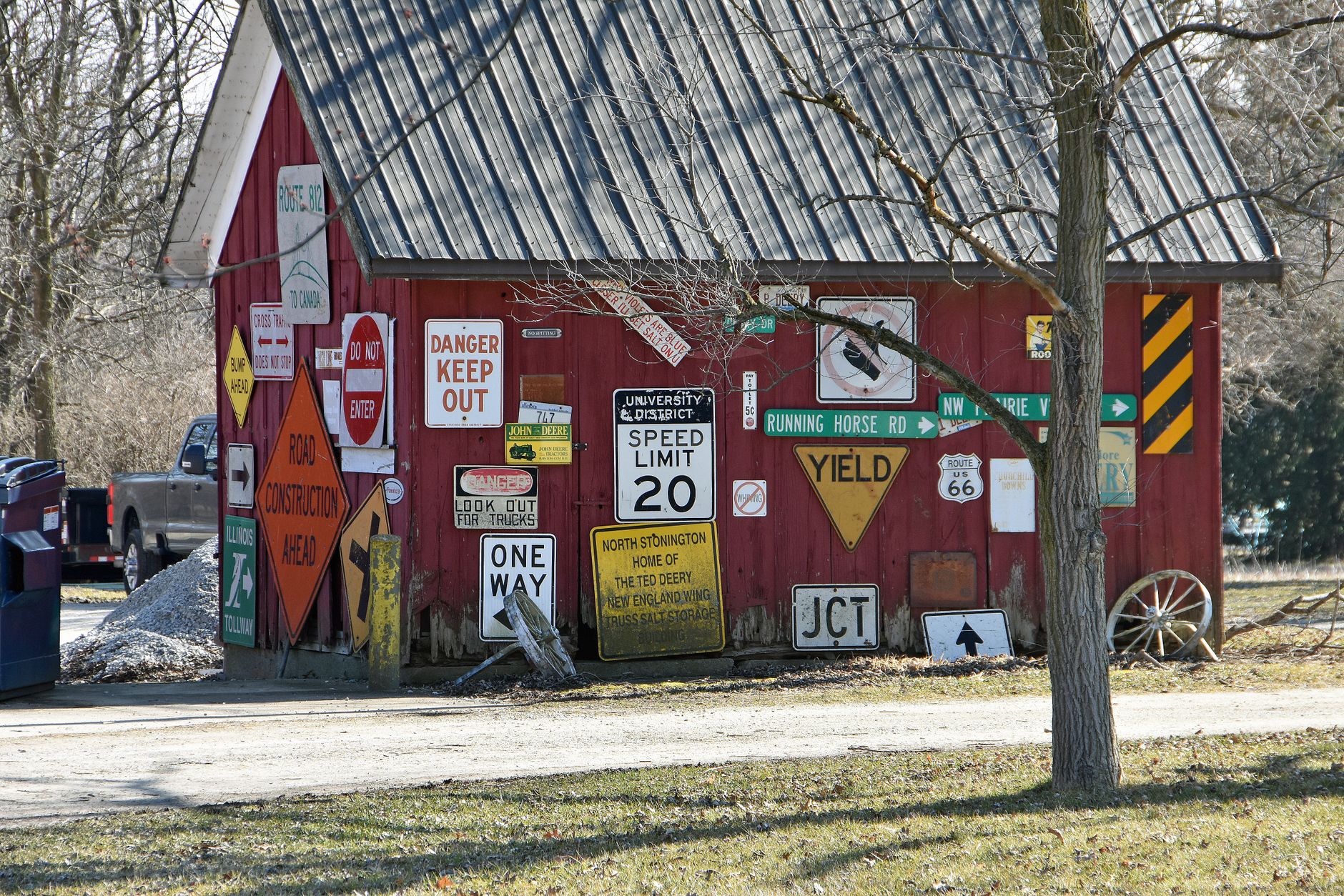
    Photo by Kurt Hudspeth on Pexels.com

    Why the Journey Still Matters

    Modern life encourages us to move faster.

    We look for the quickest route, the shortest wait, and the most efficient way to get from one thing to the next. Every app on our phones seems designed to save us a few minutes. Every schedule feels a little fuller than the one before it.

    Somewhere along the way, we started treating travel the same way.

    The goal became arriving.

    But some of life’s best moments don’t happen when we arrive. They happen while we’re on the way.

    A road trip isn’t really about checking a destination off a list. It’s about the conversations that happen in the car. The song that comes on at exactly the right moment. The small town you didn’t expect to find. The roadside barbecue joint that turns into lunch. The produce stand where you stop simply because it looked interesting.

    Those are the memories that last.

    Years from now, most of us won’t remember how quickly we reached our destination. We won’t remember whether we saved twenty minutes by staying on the interstate. What we’ll remember are the moments that made us feel something.

    The warm breeze through an open window.

    The blue sky stretching overhead.

    The landscape rolling by one mile at a time.

    The feeling that, for a little while, there was nowhere else we needed to be.

    That’s why the journey still matters.

    Not because it’s the fastest way to travel.

    But because it’s often the most meaningful.
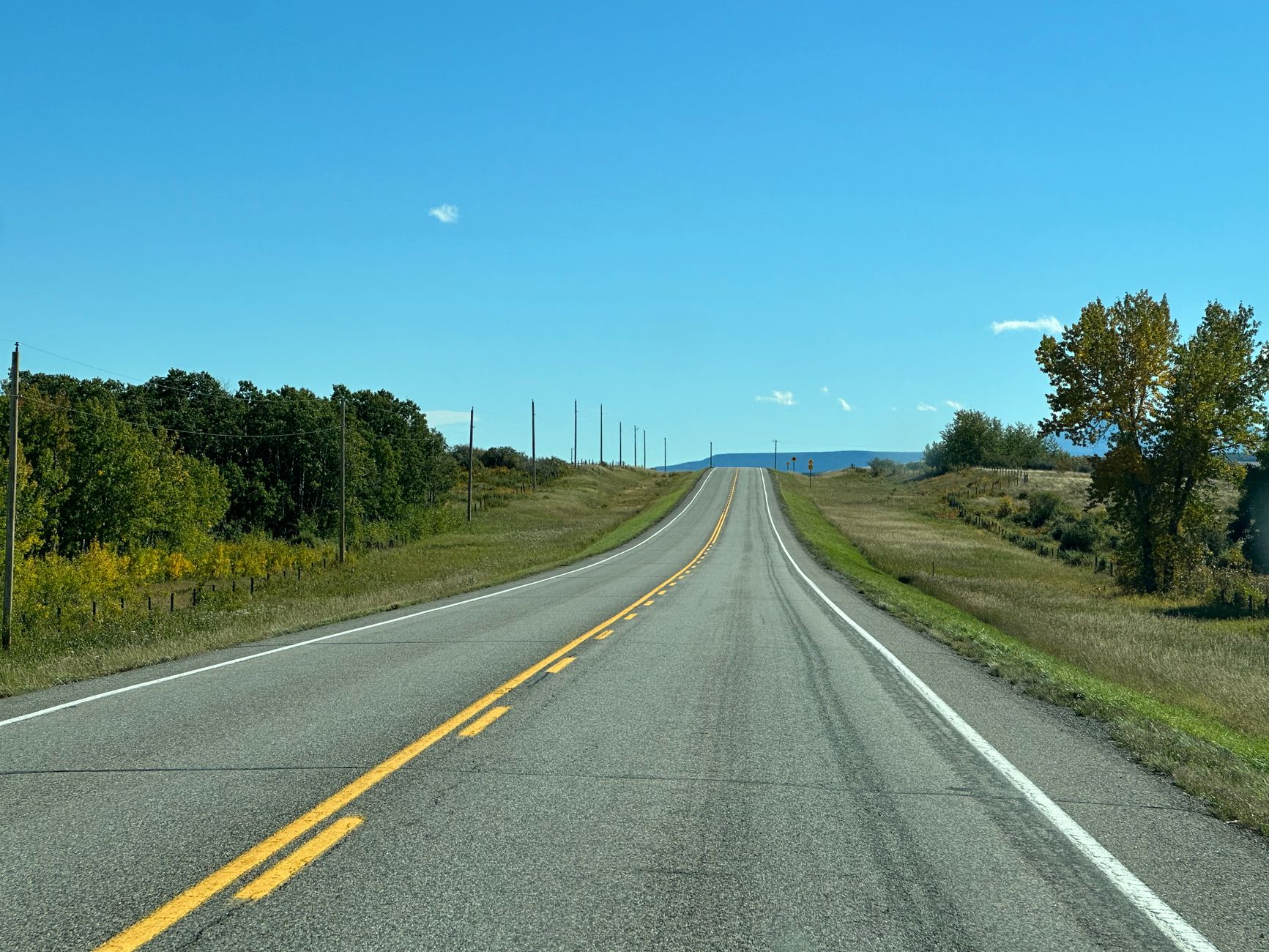
    Photo by Satvinder Ghotra on Pexels.com

    Conclusion

    The best Southern road trips aren’t found on a map.

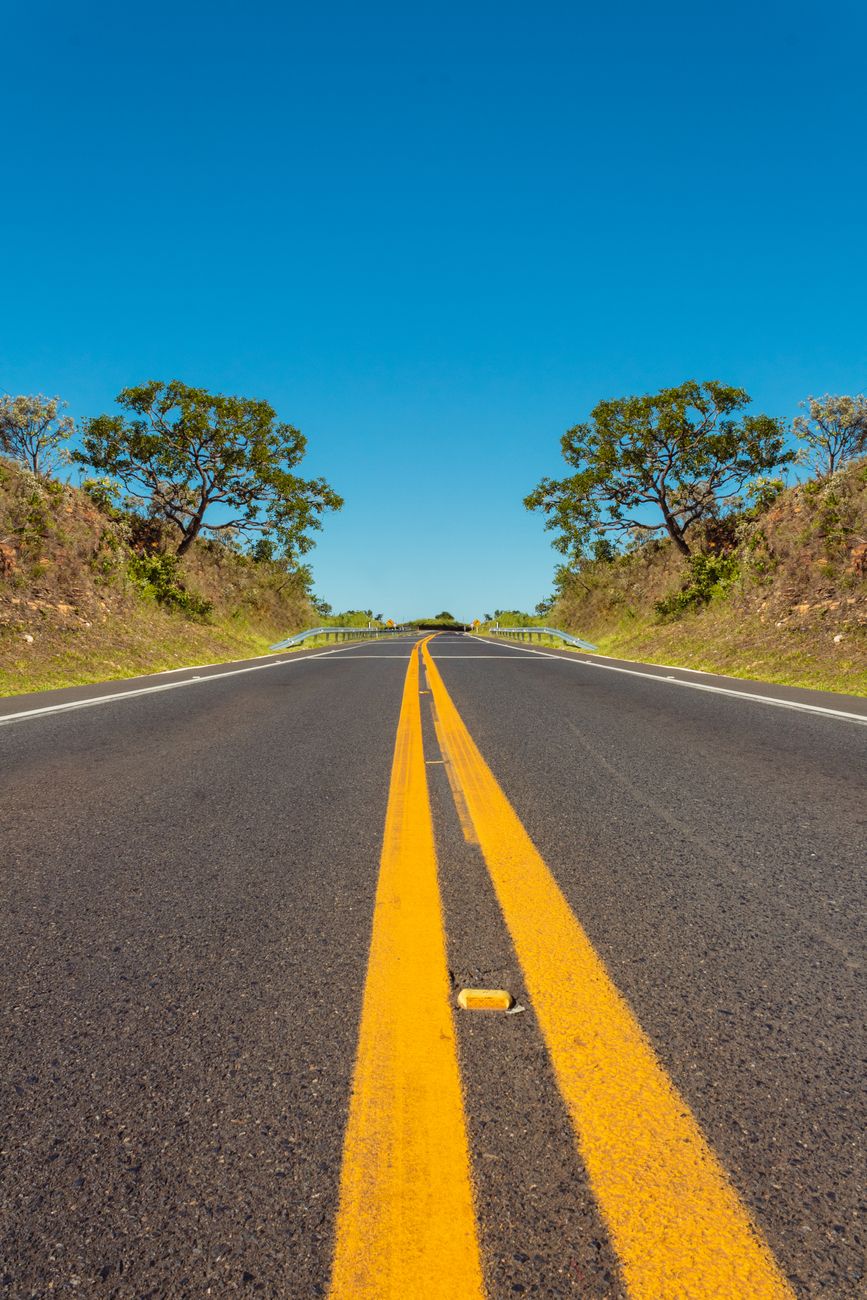
    They’re found in the moments between destinations. A two-lane road stretching toward the horizon. A small town that wasn’t part of the plan. A roadside barbecue joint with smoke drifting into the afternoon air. A produce stand on the edge of town. A favorite song playing through the speakers while the miles roll by beneath a wide blue sky.

    Maybe that’s why so many of us remember the journey long after we’ve forgotten the details of where we were going.

    The interstate will always have its place. Sometimes life demands the quickest route. But every now and then, it’s worth taking the long way.

    Roll the windows down.

    Leave a little extra time in the schedule.

    Put the phone away for a while.

    Look out the window. Listen to the music. Notice the landscape. Stop when something catches your eye.

    Absorb the whole thing.

    Because the best Southern road trips aren’t really about getting somewhere.

    They’re about remembering how it feels to be on the road in the first place.
  • The Best Part of Savannah Is Looking Up

    The Best Part of Savannah Is Looking Up

    Where history, nature, and the present all seem to share the same branches.

    A Canopy of History

    The first thing I noticed about Savannah wasn’t a landmark.

    It wasn’t a historic home, a famous square, or one of the restaurants people tell you not to miss. It was the Spanish moss.

    It seemed to hang from everything.

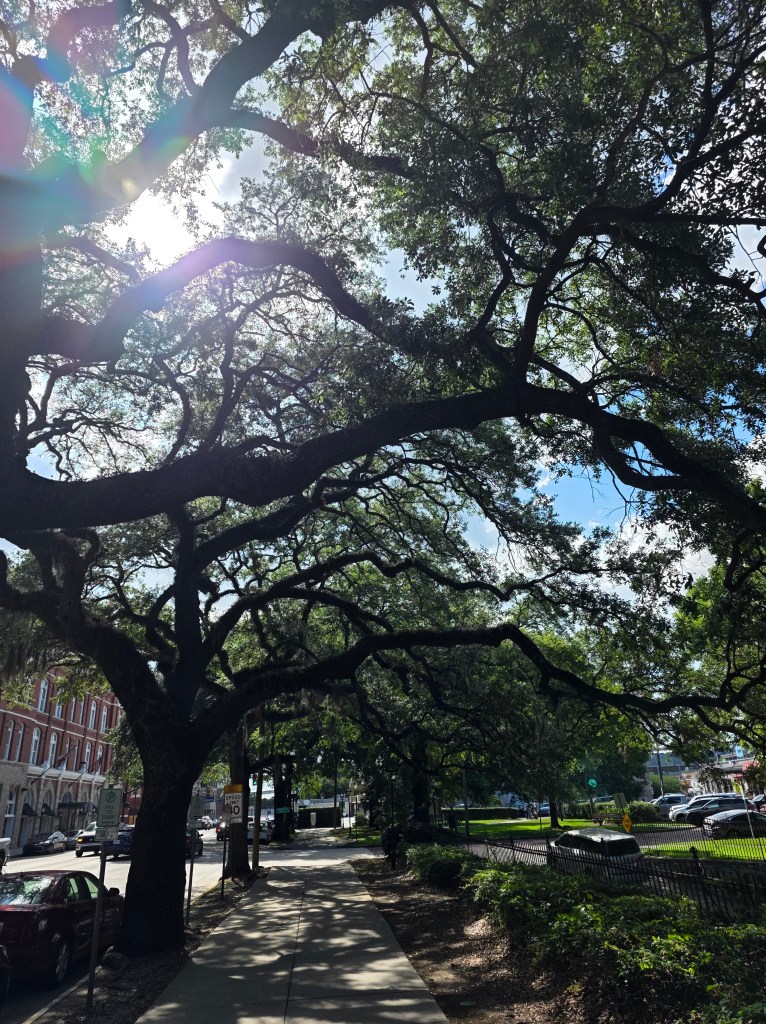
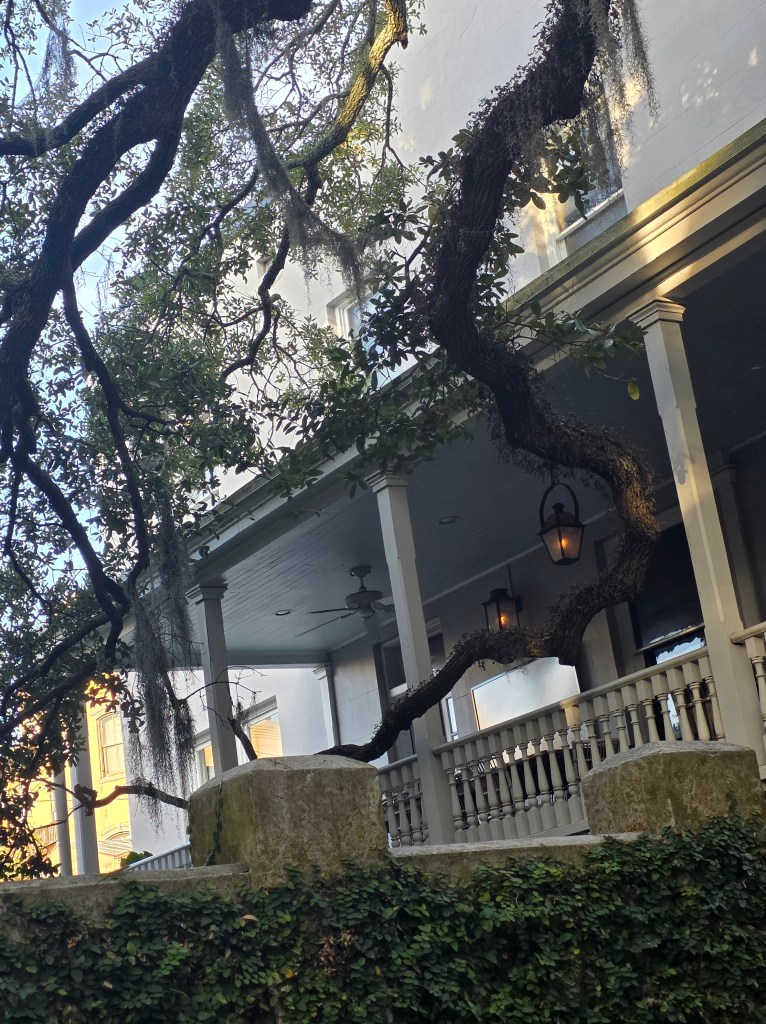
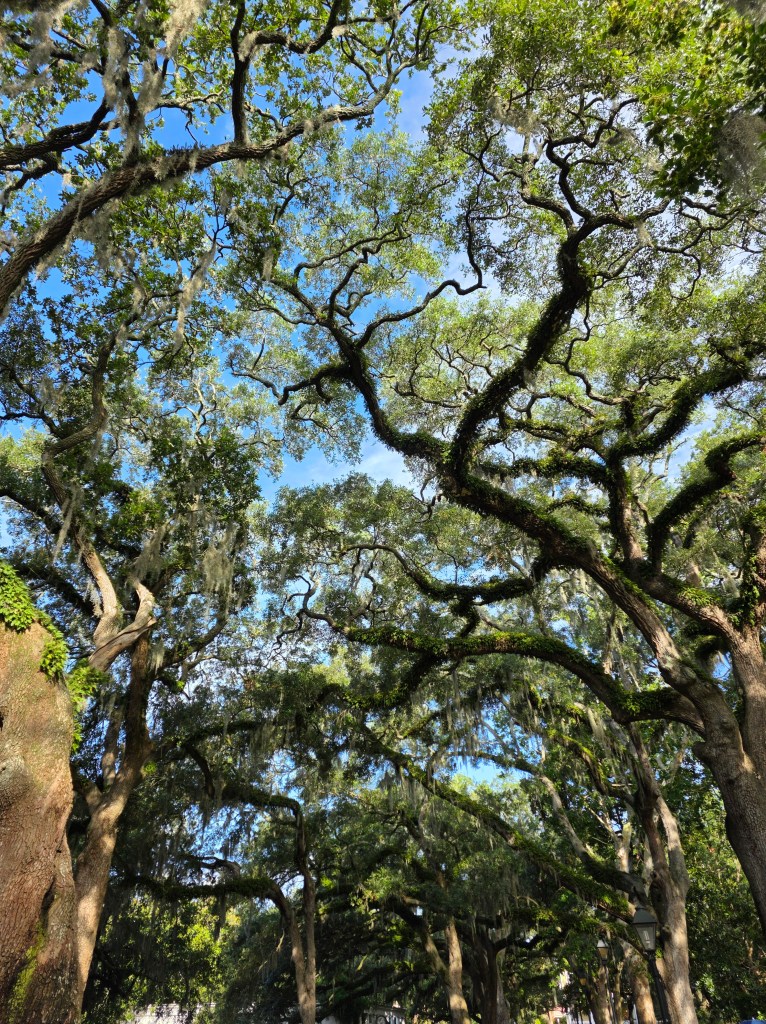
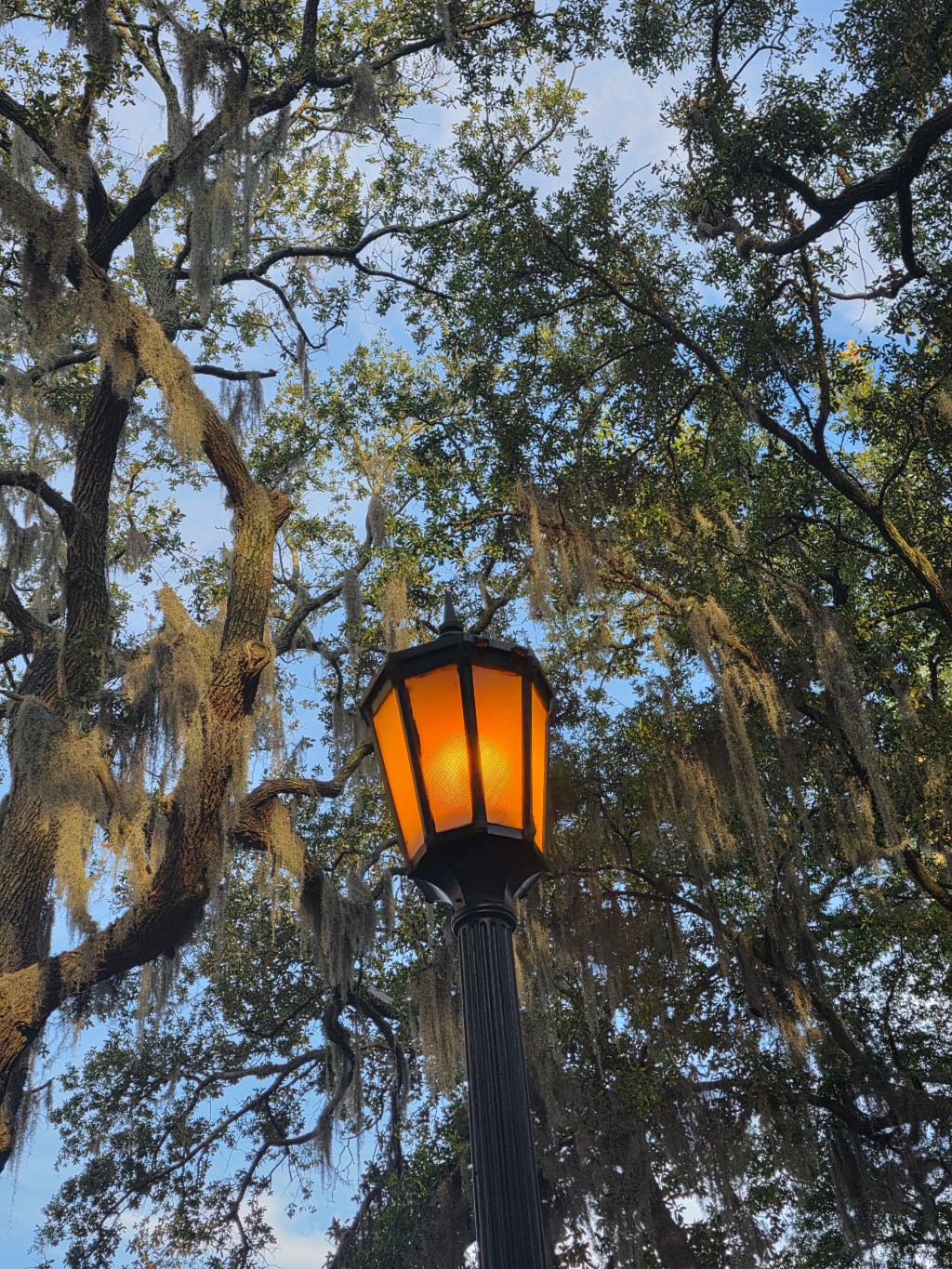
    Some strands drifted from sprawling oak branches like old gray curtains. Others stretched across entire streets, creating a canopy that made it feel as though the city existed beneath a ceiling of living history. Before long, I found myself looking up more often than I was looking ahead.

    And every time I did, there was something worth seeing.

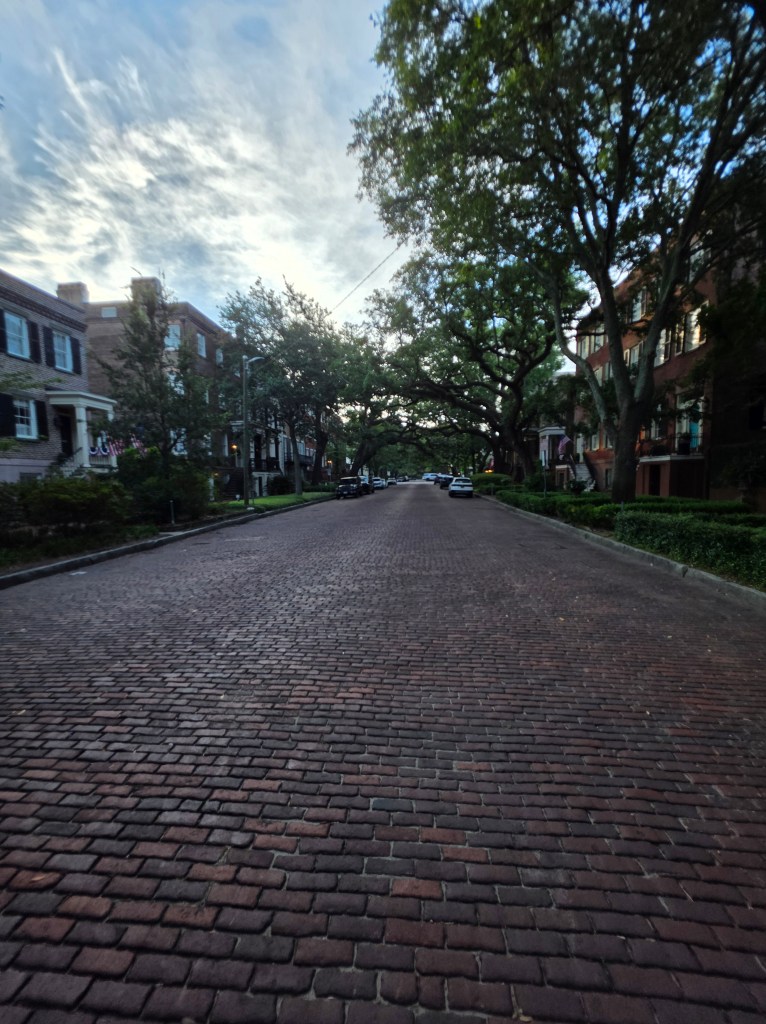
    The longer I spent in Savannah, the more I realized the Spanish moss wasn’t simply decorating the city. It was part of its identity. The trees framed nearly every scene — historic homes, brick sidewalks, wrought-iron balconies, and even the old gas lamps that still glow beneath the branches. It was impossible to separate the city from the canopy above it.

    What struck me most was how old it all felt.

    Not old in a neglected way. Old in a way that reminded you that some things don’t need to be replaced to remain beautiful. The oaks seemed to have been standing watch for generations, their branches stretching over streets that have seen centuries of change. Beneath them, life continues as it always has. People walk their dogs, visitors explore the squares, and traffic moves through the city. Above it all, the trees remain.

    Standing beneath those branches, it felt like history and nature had somehow merged with the present. The city continues to move forward, but the canopy overhead seems content to exist outside the rush of modern life. In a world that often feels focused on what’s next, there was something comforting about being surrounded by things that have simply endured.

    For me, that’s where Savannah began. Not at street level, but above it. Looking up into the branches and realizing that sometimes the character of a place isn’t found in its attractions. Sometimes it’s found in the things that have been quietly watching over it all along.

    The Things You Miss When You’re Looking Ahead

    Once I started looking up, I began noticing things I probably would have walked right past otherwise.

    The Spanish moss may have been what first caught my attention, but it wasn’t long before I found myself paying closer attention to everything around it.

    There were gas lamps hanging beneath the branches, their warm glow appearing almost unchanged from another era. Wrought-iron balconies overlooked quiet streets. Front porches sat shaded beneath the canopy of oaks, inviting people to slow down for a while. Even the brick sidewalks and historic architecture seemed easier to appreciate once I stopped rushing from one destination to the next.

    It’s easy to experience a city like a checklist. See the landmark. Take the picture. Move on to the next stop.

    Savannah didn’t feel built for that.

    The city seemed to reward wandering. Some of my favorite moments weren’t planned at all. They happened while walking down a side street, noticing sunlight filtering through the branches, or stopping to admire details that might have gone unnoticed in a faster-paced place.

    The more time I spent there, the more I realized that Savannah’s character isn’t found in any single attraction. It’s found in the collection of small things that work together to create a feeling. The trees. The ironwork. The porches. The brick streets. The shadows. The light.

    Individually, they might not seem remarkable. Together, they create a place that feels unlike anywhere else.

    And maybe that’s why Savannah stayed with me. Not because of one famous landmark, but because slowing down allowed me to notice the details that make the city what it is.

    Savannah Doesn’t Seem In A Hurry

    The longer I spent walking through Savannah, the more I noticed something that had nothing to do with architecture, history, or even the Spanish moss.

    The city didn’t seem to be in a hurry.

    That’s not to say people weren’t working, driving, or going about their day. Life was moving forward just like it does everywhere else. But Savannah felt comfortable with its pace. It wasn’t trying to become something else. It wasn’t racing toward the future or trying to leave its past behind.

    It simply seemed content being Savannah.

    Maybe that’s part of what makes the city so memorable. The massive oaks have stood watch over the streets for generations. The historic homes remain. The squares continue to provide places for people to gather, rest, and linger for a while. Even the details that catch your eye—the gas lamps, the ironwork, the brick streets—feel like reminders that not everything needs to be replaced in order to remain valuable.

    Standing beneath those sprawling branches, I found myself slowing down too.

    Not intentionally at first. It just happened.

    I spent more time wandering than rushing. More time noticing than planning. More time looking around than looking at my phone. In a world that constantly pushes us toward the next thing, there was something refreshing about being in a place that seemed perfectly comfortable where it was.

    Maybe that’s why Savannah stays with so many people after they leave.

    The city offers plenty to see, but what I remember most isn’t a specific attraction. It’s the feeling of walking beneath those trees, looking up through the canopy, and being reminded that slowing down isn’t always a bad thing.

    Sometimes it’s exactly what we need.

    Before You Leave Savannah, Look Up

    Most visitors will remember Savannah for its historic homes, its squares, and its restaurants. They’ll remember River Street, the architecture, and the stories that seem to exist around every corner.

    I will too.

    But when I think about Savannah, the first images that come to mind aren’t found at street level.

    They’re above me.

    The Spanish moss swaying beneath centuries-old oaks. Sunlight filtering through the branches. Gas lamps hanging beneath a canopy that seems to belong to another time. The feeling that history, nature, and the present somehow found a way to share the same space.

    It’s a simple thing, really.

    Looking up.

    Yet it changed the way I experienced the city.

    It slowed me down. It made me notice details I might have otherwise missed. It reminded me that some places aren’t meant to be rushed through. They’re meant to be wandered through, appreciated, and experienced at their own pace.

    Savannah feels like one of those places.

    Long after the trip is over, I’ll remember the trees, the shadows, and the view through the branches toward a patch of blue Georgia sky.

    And if you ever find yourself walking beneath those oaks, take a moment to do the same.

    Look up.

    You might discover that’s where the best part of Savannah has been all along.

  • Somewhere Between Here and There

    Somewhere Between Here and There

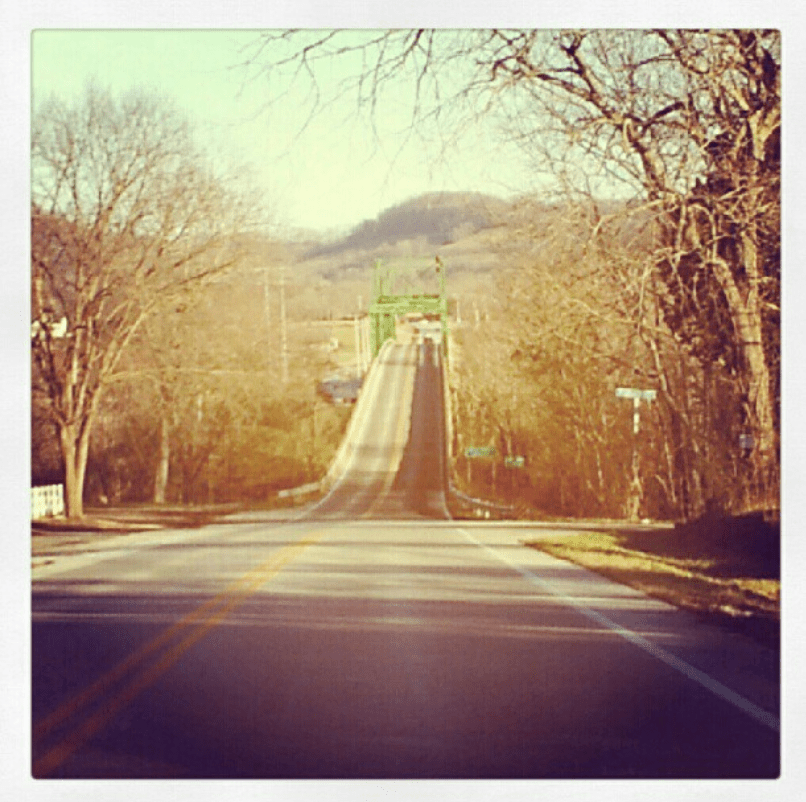
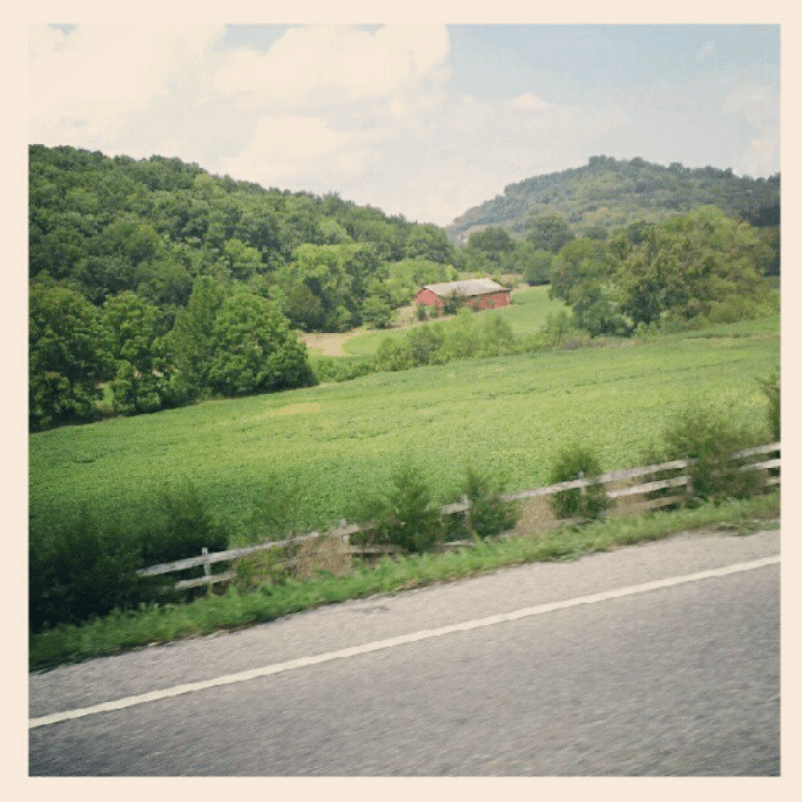
    These photos were taken somewhere in Tennessee around 2011.

    I couldn’t tell you exactly where.

    I couldn’t tell you the route, either.

    What I remember is the feeling.

    It was one of those warm summer Saturdays that seemed to have no real beginning or end. The kind where there was nowhere important to be and no reason to rush. A full tank of gas, the windows down, and classic rock coming through the speakers was enough.

    Most people remember destinations.

    I remember roads.

    The older I get, the more I realize that some of my favorite travel memories happened between places. Not in cities or attractions, but on the stretches of highway that connected them. The roads winding through small towns. The bridges that seemed to appear out of nowhere. The farms tucked into the hillsides.

    Back then, there was still a sense of discovery in taking the long way.

    GPS existed, but it hadn’t completely taken over our lives yet. If a road looked interesting, you turned down it. If an old store caught your eye, you slowed down. If a bridge stretched into the distance, you crossed it just to see what was on the other side.

    There wasn’t always a plan.

    Sometimes the road itself was the plan.

    Looking at this photo now, I can’t remember what was around the next bend. I can’t remember where I stopped for lunch or what time I got home.

    I remember the green hills.

    I remember the sunlight.

    I remember feeling like the day had all the time in the world.

    There’s something about Tennessee backroads that seems designed to make you slow down. The hills hide what’s ahead. Every curve reveals something new. A barn. A creek. A forgotten church. A place that feels unchanged for decades.

    The interstate gets you there faster.

    The backroads give you something to remember.

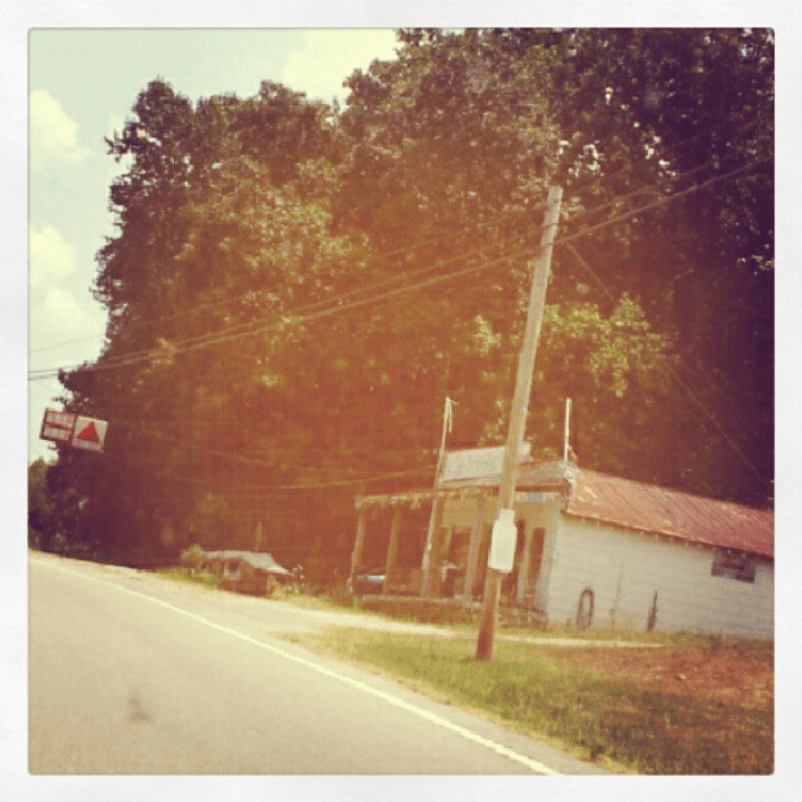
    Places like this used to be everywhere.

    Maybe they still are.

    The kind of store that looks like it has served the same community for generations. The kind of place where locals know each other by name and visitors are immediately obvious.

    You don’t find places like that when you’re in a hurry.

    You find them when you leave enough room in the day to wander.

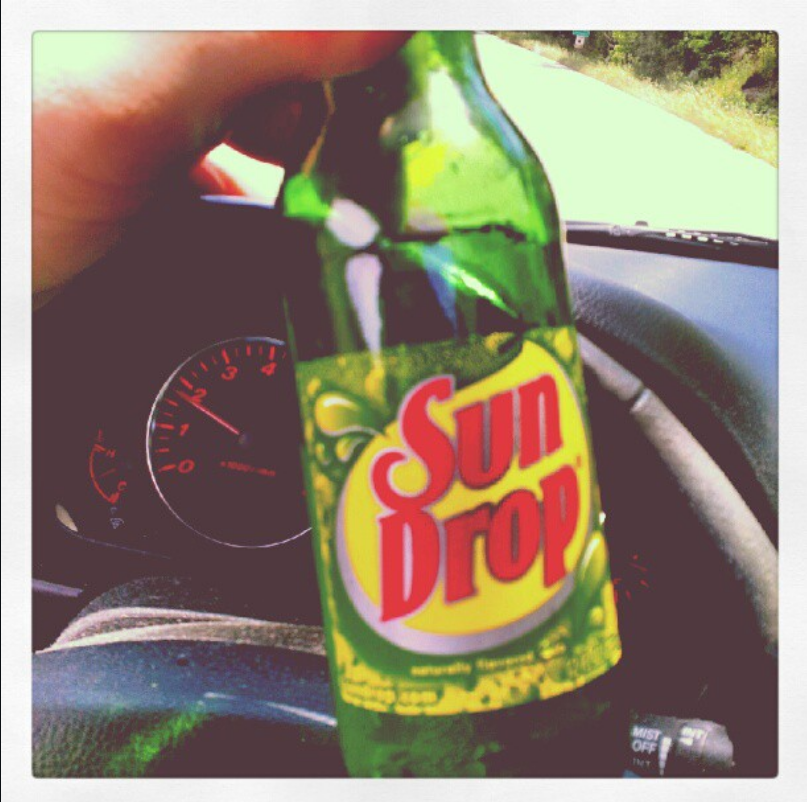
    And then there’s this photo.

    If I had to pick one image that captures the entire trip, it would probably be this one.

    Not because it’s a great photograph.

    Because it instantly brings back the feeling.

    A warm summer day. The road stretching ahead. Classic rock on the radio. A cold bottle of Sun Drop within reach.

    Nothing extraordinary was happening.

    That’s probably why I remember it.

    The older I get, the more I appreciate those ordinary days. The ones that weren’t planned around milestones or celebrations. The ones that didn’t seem important at the time.

    Just a Saturday.

    Just a road.

    Just somewhere between here and there.

    And somehow, years later, those are the days that stay with you.